
This article is a continuation of the events that occurred in my previous article: The Process of Creativity. In my previous article I revealed the mixture of thoughts and incidents that led to the creation of works of art. I am speaking from my own personal perspective and it is important to be aware that circumstances and events will be different for others.
In this article I will explore my thoughts; the work of other artists; the influence of words and the inspiration that comes through the ordinary and even the mundane. Some of my thoughts are still simmering in the pot of creativity. There are others that I pursued and further developed. It is allowed to park an idea and come back to it later or not at all and this will be evident in this article. I hope that you enjoy reading.
I spent some time reading through the gospel events regarding the crucifixion. In John 19:1 it states:
…Pilate then had Jesus taken away and scourged.
John 19:1
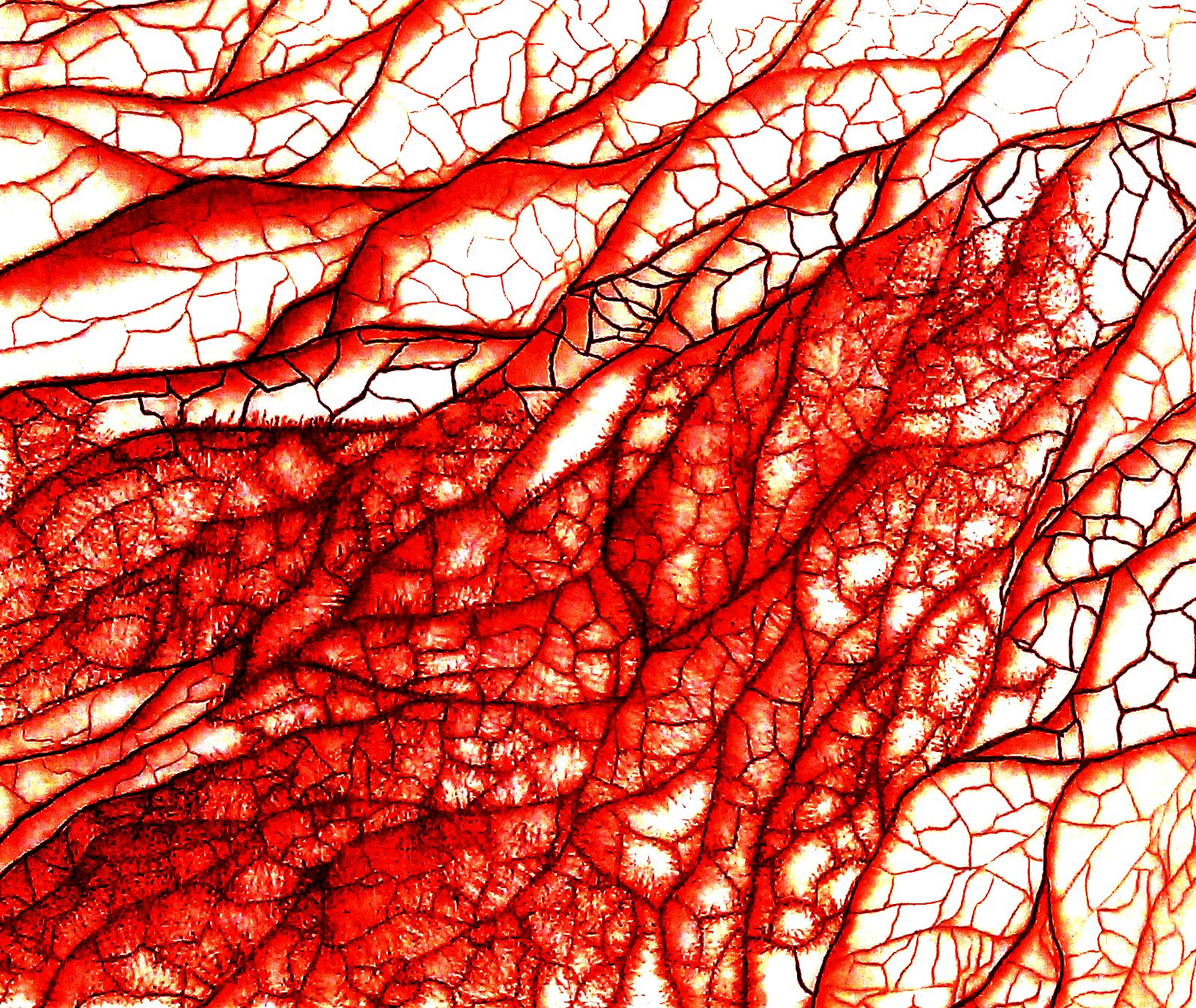
I remember looking at paintings that used the technique of crackle glaze. This looks similar to a close up image of human flesh. I thought of using this method to represent the scourging of Jesus. Looking back at some of my own drawings I noticed a portion that had a similar appearance. So I photographed it and enlarged it with the intention of producing a painting.

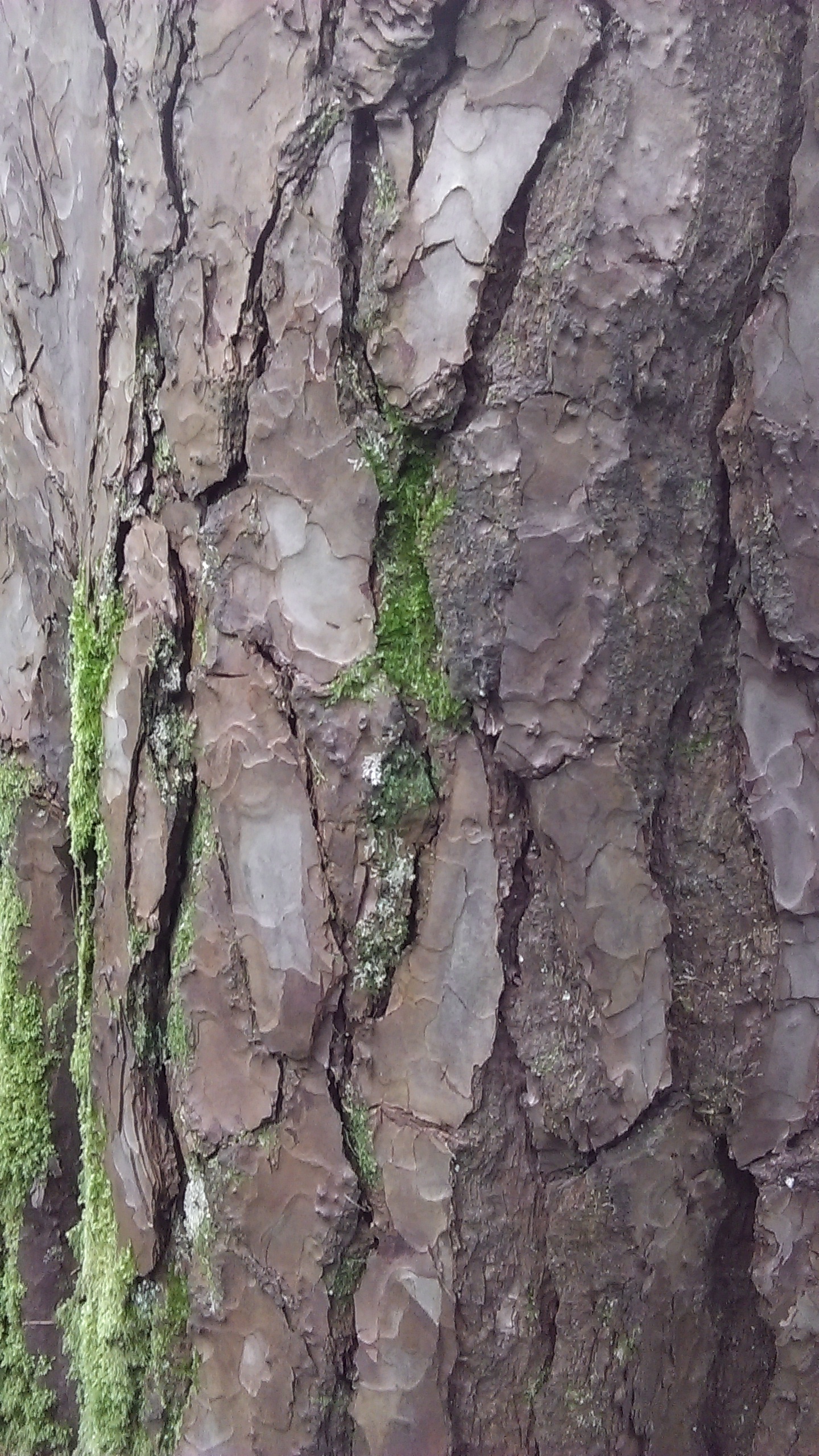
Interestingly enough, once I started thinking about crackle glaze I managed to see it in other areas. The bark on this tree is naturally broken and fractured with light and deep ravines.
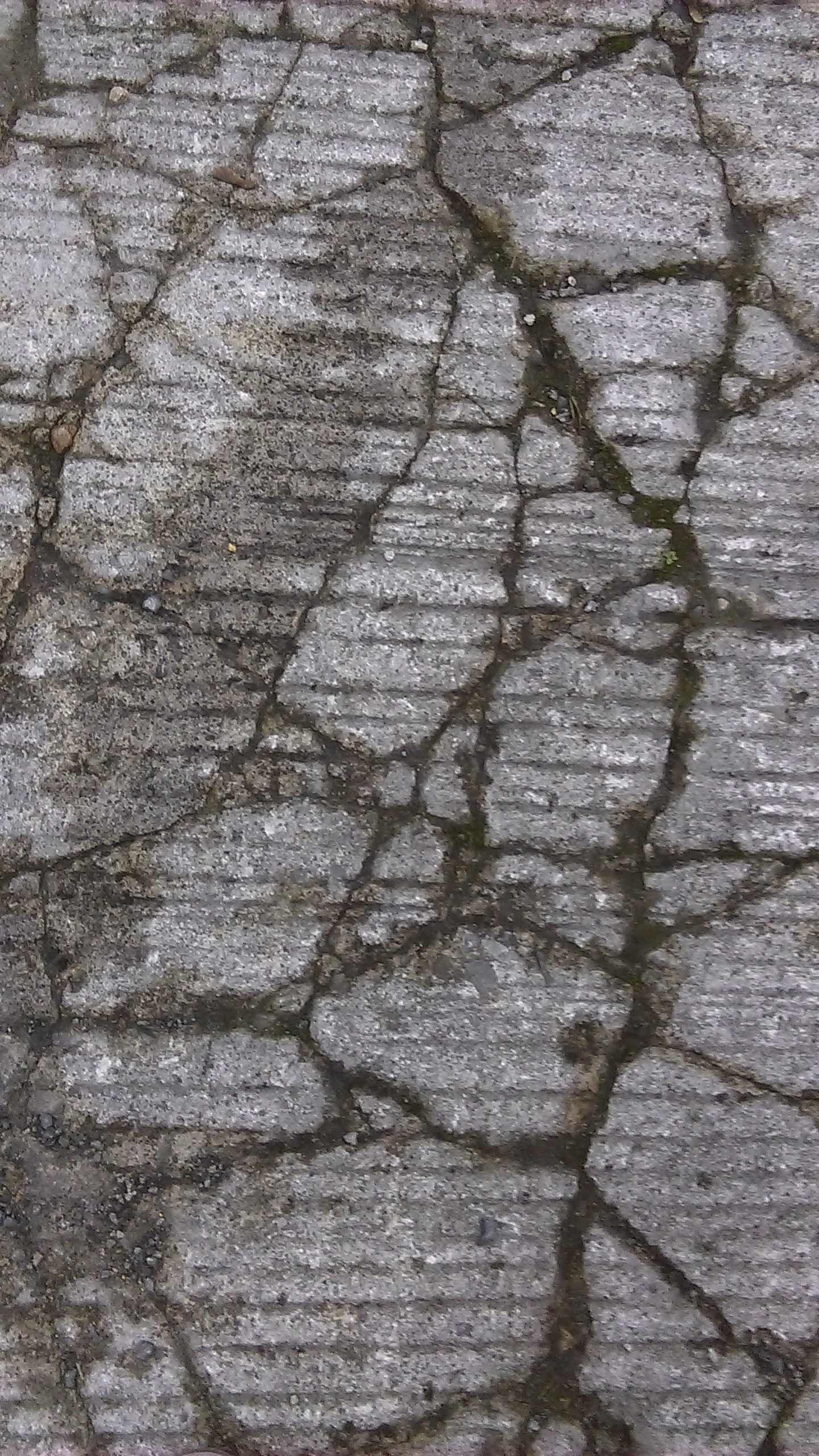
Day in and day out I crossed over this patch of fractured concrete and failed to notice it. Once I began looking at crackle glaze to represent torn flesh I could see the crackle glaze everywhere.
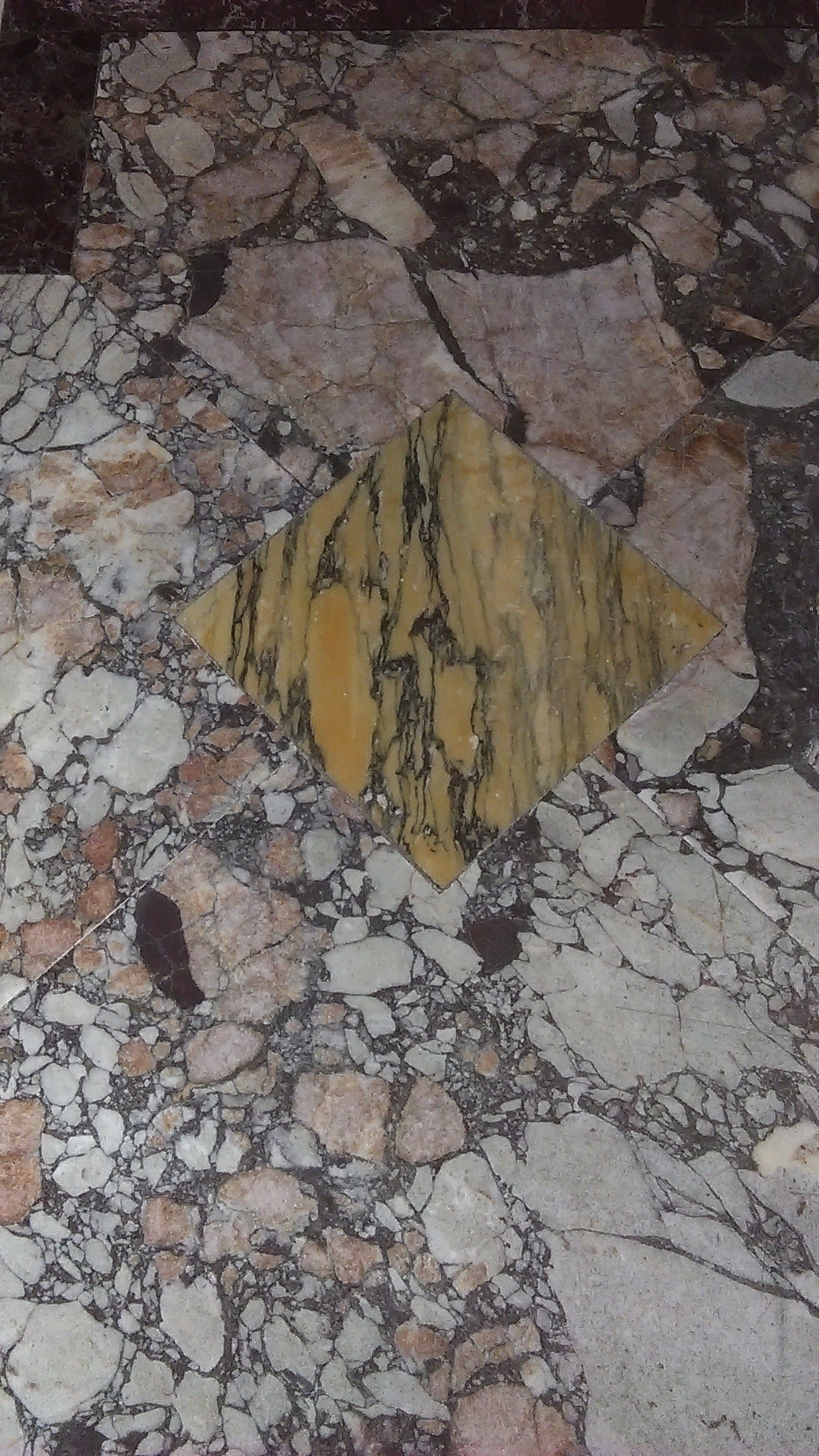
The marble floor in the Cathedral of Christ the King in Mullingar has a very interesting detail which is similar to crackle glaze. My imagination had become extra sensitive in pursuing a particular thread in the process of creative development.
One of my ceramic pieces that I had produced a previous year looks a bit like a chalice. This reminded me of Jesus praying in the Garden of Gethsemane prior to his arrest:
My Father if it is possible, may this cup be taken from me. Yet not as I will, but as you will.
Matthew 26:39

When I attended an exhibition in the Model in Sligo I took a photograph of a stone sculpture. This head in Adventure: Capital, 2015 was made by artist Sean Lynch who had exhibited at the Venice Biennale in 2015. The inspiration for this stone head came from the Greek river gods that adorned the back of the Irish Free State bank note. This face made me think of God the Father and a verse of scripture came to mind:
For God so loved the world that he gave his one and only son, that whoever believes in him shall not perish but have eternal life.
John 3:16
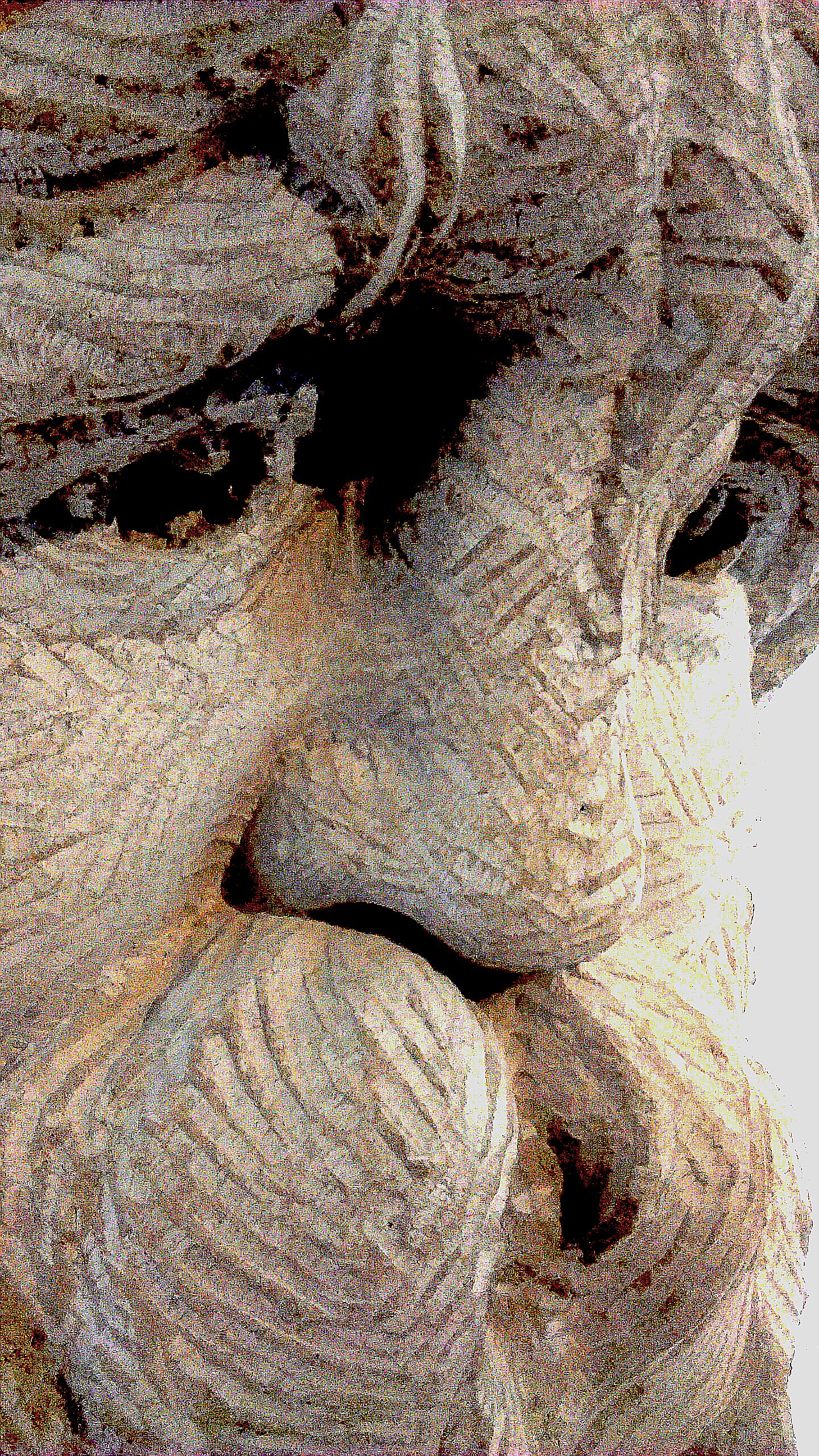
This line of enquiry is still under consideration. In time something may develop.
Intimate Immensities, 2004 is an installation created by Chilean artist Alexia Tala. Her use of mirrors is inspirational. The viewer must insert their head into a box to see the work. This brought the viewer into the installation. As well as seeing the object inside the viewers could also see themselves. The mirrors repeating everything to infinity.
This made me think that I could use the words of scripture as the work of art. Using John 3:16 I could substitute a mirror for some of the words. So instead of reading as above, the words ‘the world’ and ‘whoever’ might be replaced with mirrors. Then the verse would read:
For God so loved… [mirror]… that he gave his one and only son, that… [mirror]… believes in him shall not perish but have eternal life.
In this way the viewers would see themselves as part of the narrative and make the verse of scripture more personal.
Another verse of scripture in St. Paul’s letter to the Ephesians 5:2 that struck me is:
Be imitators of God therefore, as dearly loved children and live a life of love, just as Christ loved us (replace ‘us’ with a mirror) and gave himself up for us (replace ‘us’ with a mirror) as a fragrant offering and sacrifice to God.
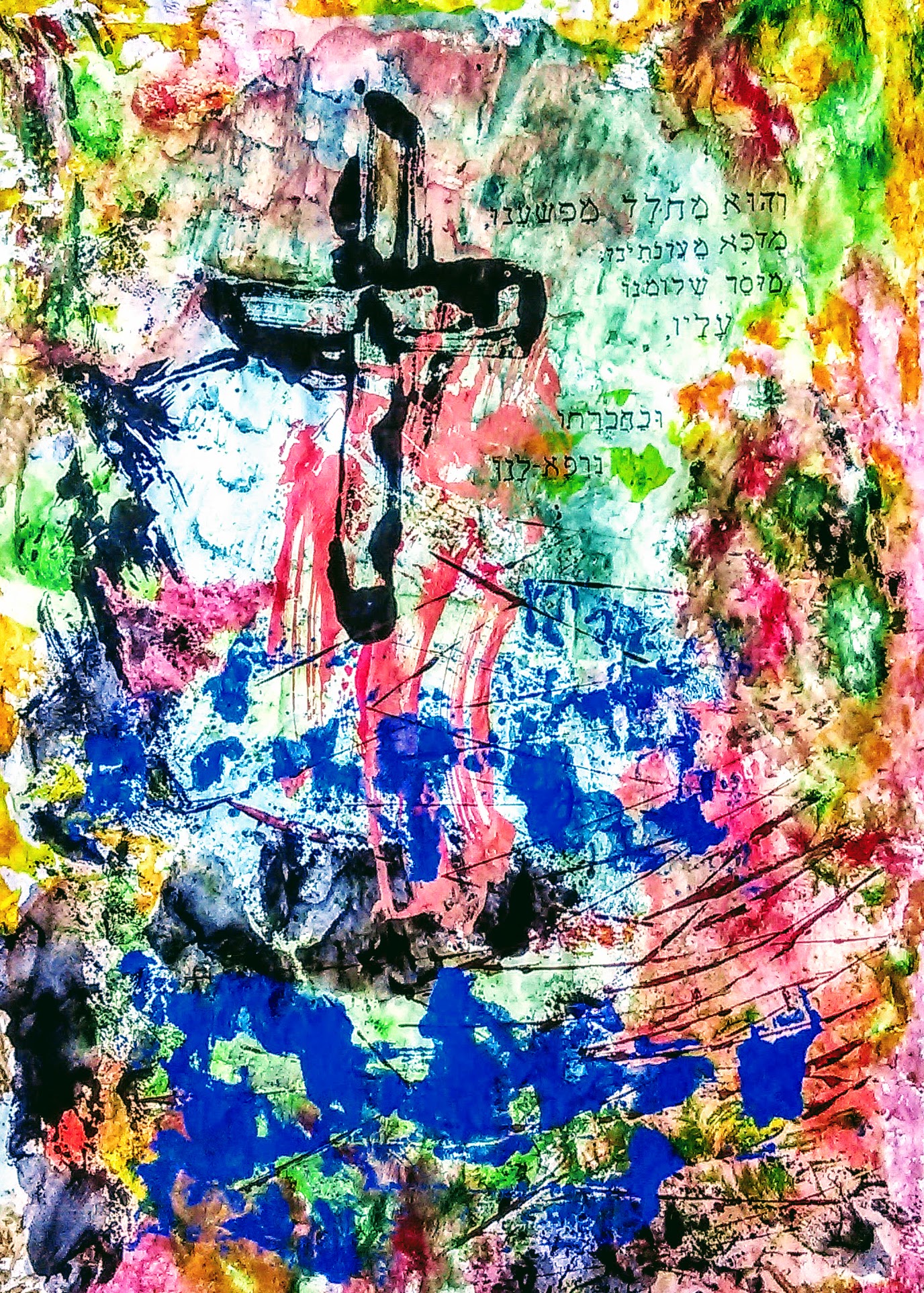
After pondering this for a while I considered writing out the verses of scripture in their original languages. These would be Hebrew and New Testament Greek. Both old and new testaments were translated into Latin by St. Jerome and this translation formed the liturgy of the Church for centuries.
The following are some examples of Hebrew, Greek and Latin:
| יז כִּי סְבָבוּנִי, כְּלָבִים: עֲדַת מְרֵעִים, הִקִּיפוּנִי; כָּאֲרִי, יָדַי וְרַגְלָי. | 17 For dogs have encompassed me; a company of evil-doers have inclosed me; like a lion, they are at my hands and my feet. |
John 19:1. Τότε οὖν ἔλαβεν ὁ Πιλᾶτος τὸν Ἰησοῦν καὶ ἐμαστίγωσεν.
John 19:1. tunc ergo adprehendit Pilatus Iesum et flagellavit
Before the printing press came into being the monks wrote out by hand copying the bible into illuminated manuscripts. The Book of Kells is such a manuscript and is on display in Trinity College, Dublin. As well as being a record of the word of God these manuscripts became a gallery of beautiful images.
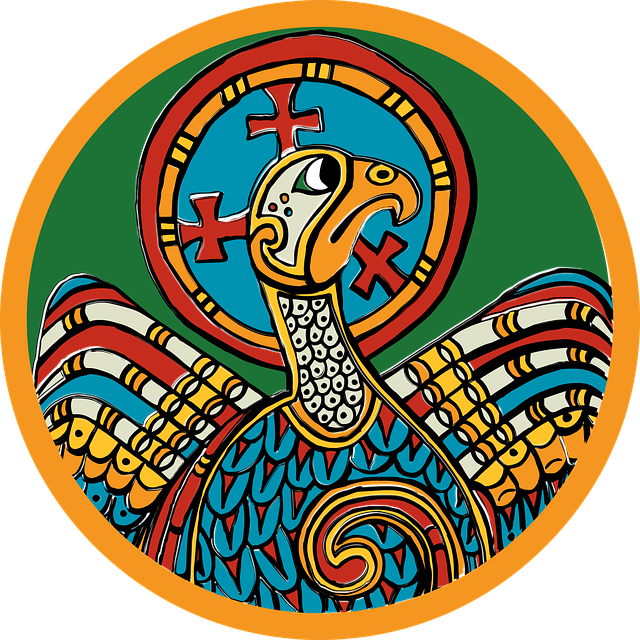
As well as using Hebrew, Greek and Latin I considered using different languages. My intention was to use all of these languages with the mirrors in the one piece of art.
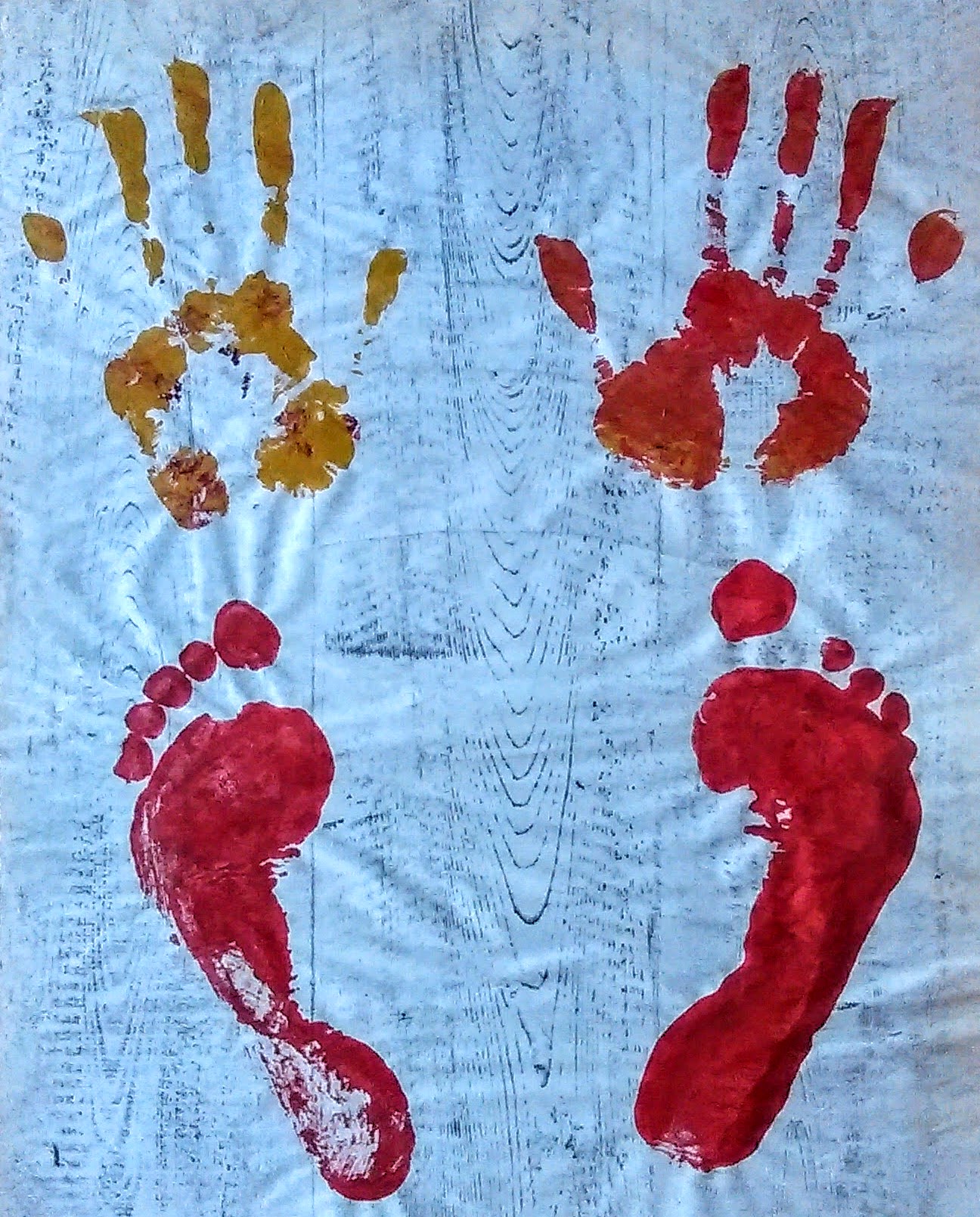
While I am on the subject of words and languages I came upon the work of Jackie Newell. She has produced several prints incorporating texts from church epitaphs. One of them called Maria and Dulcia, 2002 also includes her hand prints. This made me think of the pierced hands and feet of Jesus. A Chinese artist called Hale Man produced Princess, 2004. In this image the hair on the head of the princess is created from red footprints.
Jackie Newell also created Inscriptions, 1998. For this she used lithographic rubbings, collagraph, tissue stencils, intaglio and graphite dust. This inspired me to create an image using hand and foot prints on top of a timber grained rubbing. This represented the crucifixion on the wooden cross. I intend to pursue this imagery.
In reading about the printing process, in particular the use of lithographic stones I remembered that in John’s gospel it states:
John 19:13
When Pilate heard this, he brought Jesus out and sat down on the judge’s seat at a place known as the Stone Pavement (which in Aramaic is Gabbatha).
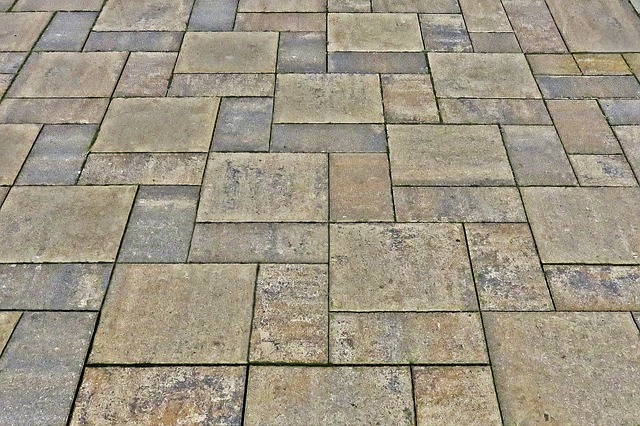
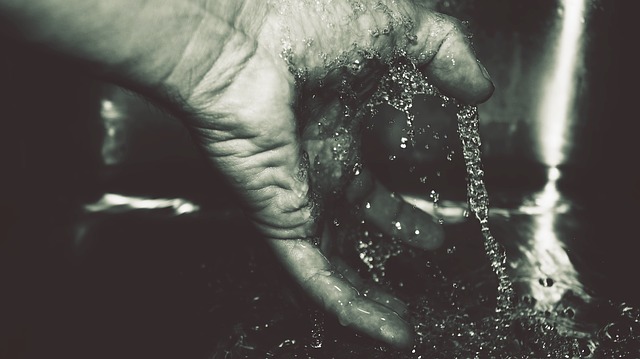
This made me think of producing a series of prints using paving slabs. It was at the Stone Pavement where Pilate washed his hands. It seemed appropriate to carve the washing of hands on the paving slab. Not only are the paper prints the product but the paving slabs also form the process and feature in display.
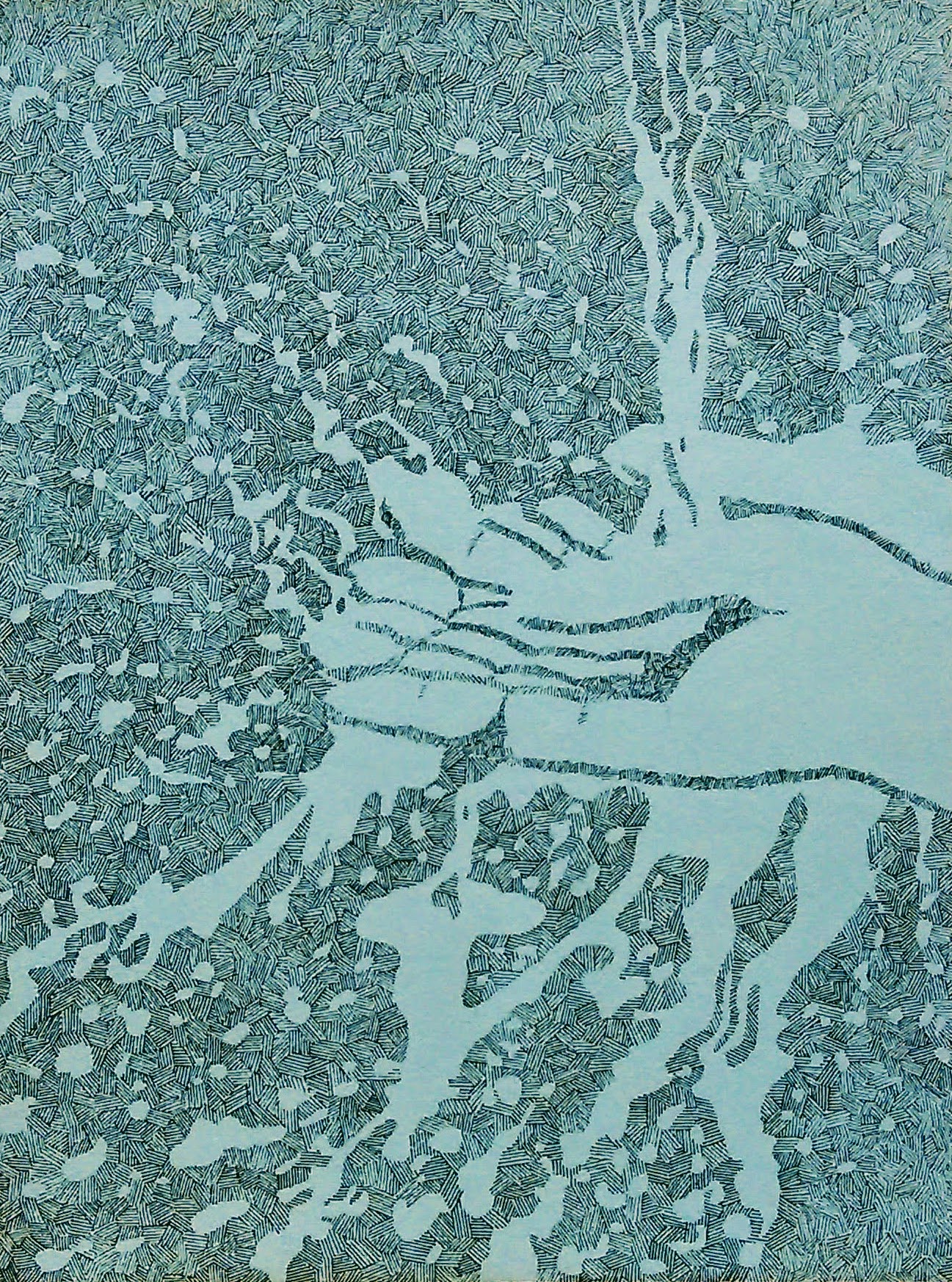
These thoughts and ideas are not conclusive by any means but are stepping stones in the journey through the process of creativity. They play around in the mind until they become a reality. One step leads to another and sometimes the mind can go off on a tangent. But there is nothing wrong with that because the tangent can become the new path. This can lead to a finished product today. But today’s finished product may not be the end of the line but may inspire the artist to journey down a new path of enquiry.
I hope that you have enjoyed reading this article. My next article will continue the process of creative development.


 Brian Cahill